Removing wilted bouquets: Merton council bin rules
Posted on 17/09/2026
Wilted flowers can feel like a tiny housekeeping problem, but they often turn into a bigger one than people expect. Do you put the stems in the general rubbish? Can petals go in the garden waste? What about ribbon, cellophane, and the soggy bit at the bottom of the vase? If you are trying to work out Removing wilted bouquets: Merton council bin rules, this guide walks you through the practical side of it in plain English.
Whether you have a bouquet from a birthday, a sympathy arrangement, or just a weekly bunch that has had its day, the aim is the same: dispose of it cleanly, avoid contamination in the wrong bin, and keep things in line with local expectations in Merton. It sounds simple. In real life, not always. A bouquet is rarely just flowers.
This article covers how to break down a wilted bouquet, what usually goes where, how to avoid common mistakes, and when it makes sense to check the finer details with the council or your waste collection provider. You will also find a checklist, a comparison table, and practical examples that reflect everyday UK household habits.

Table of Contents
- Why the bin rules matter
- How bouquet disposal works in practice
- Key benefits of getting it right
- Who this guide is for
- Step-by-step guidance
- Expert tips for cleaner disposal
- Common mistakes to avoid
- Tools, resources and recommendations
- Law, compliance and best practice
- Options and comparison table
- Case study example
- Practical checklist
- Conclusion
- Frequently asked questions
Why Removing wilted bouquets: Merton council bin rules Matters
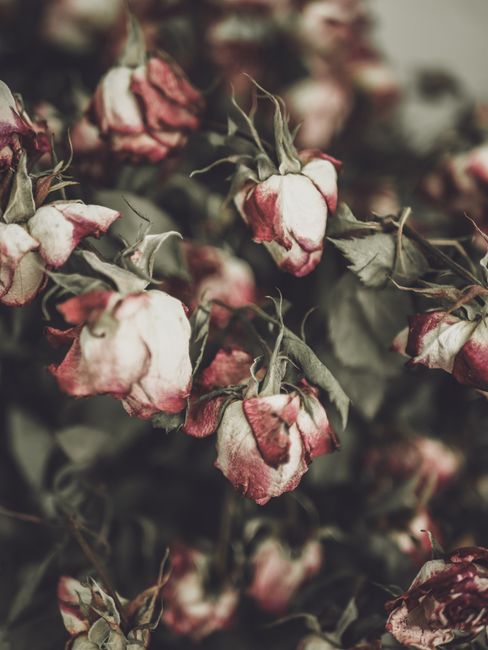
Fresh flowers look harmless, but once they wilt, they become a mixed-material waste item. A bouquet may include cut flowers, leaves, stems, florist foam, wire, tape, a bag, a tie, and the water from the vase. If all of that is thrown in without thought, it can cause mess, smells, and avoidable contamination in recycling or garden waste streams.
That matters because local waste systems are designed to handle specific materials. A clean paper bag and a bunch of organic stems are very different things. Mix the wrong items together and the whole bin load becomes less useful. Not ideal, and usually avoidable.
For Merton residents, the main practical point is this: the way you separate the bouquet can affect whether it belongs in general waste, garden waste, or another collection route. The exact service available to you may depend on your property type and local arrangements, so it helps to think in terms of material type first, not just "it's a flower bouquet".
There is also the everyday cleanliness angle. A wilted bouquet left in a warm kitchen can start to smell a bit musty, especially if the water has turned cloudy. If you have ever found a forgotten vase behind a fruit bowl on a Friday morning, you already know the vibe. Best to deal with it promptly.
One more thing: if the bouquet came from a special occasion or a tribute arrangement, people often feel hesitant about throwing it away. That is normal. The respectful route is not complicated, though. You can dispose of it carefully and keep the reusable parts separate. Thoughtful, tidy, done.
How Removing wilted bouquets: Merton council bin rules Works
In practice, bouquet disposal comes down to sorting the components. The flowers themselves are usually classed as biodegradable plant matter, but not every part of the arrangement is accepted in the same bin. That is where people get caught out.
A sensible approach is to break the bouquet into three broad groups:
- Organic plant material: flowers, leaves, stems, and small bits of foliage.
- Non-organic packaging: plastic wrap, ribbons, ties, foam, card picks, tape, and wire.
- Contaminated leftovers: dirty vase water, mud, decaying tissue, and any mixed debris.
Once separated, the organic material may be suitable for a garden waste stream if that service is available and if the council's current guidance allows it. If not, it often ends up in general waste. Packaging should be sorted according to its own material type. Plastic wrap is not the same as paper. Wire is not the same as cardboard. That sounds obvious when written down, yet it is exactly where the mistakes creep in.
If you are unsure, a useful rule of thumb is this: clean, loose, natural material is easier to divert; mixed, dirty, or synthetic material usually needs general waste handling. That is not a legal rule in itself, just a practical one that works well for most households.
For bigger floral deliveries, wedding flowers, or funeral arrangements, the same logic applies, only on a larger scale. A table arrangement may have more wiring and decorative inserts, while a bouquet from a shop may have a surprising amount of plastic beneath the nice outer wrapping. The pretty part is often the least simple part. Truth be told.
If your flowers were delivered and you want future arrangements to last longer before becoming waste, it can also help to understand basic care. A quick look at flower care guidance may make a bouquet stay fresh for longer next time, which means less waste overall. That is not just convenient; it is tidy waste prevention in the first place.
Key Benefits and Practical Advantages
Getting bouquet disposal right is not about being fussy. It saves hassle, keeps bins cleaner, and reduces the chance of putting the wrong thing into the wrong collection. Small wins, but they add up.
Here are the main practical advantages:
- Less contamination in recycling or garden waste collections.
- Fewer smells and leaks in kitchen caddies or indoor bins.
- Cleaner bin storage, especially in flats and shared housing.
- Less rejected waste if materials are separated properly.
- Better habit-building for other household waste decisions too.
There is also an emotional benefit, oddly enough. Clearing away wilted flowers can feel like closing the loop on an event. A birthday, a condolence visit, a wedding weekend, a spontaneous bunch from the market - the bouquet did its job. The disposal step marks the shift from display to cleanup. Not glamorous, but real.
For landlords, office managers, and anyone handling shared spaces, this matters even more. A single neglected bouquet in a reception area can produce odour, attract fruit flies, and make the space feel half-finished. Anyone who has walked into a warm office on a Monday after a long weekend knows that particular smell. Not awful, just... obvious.
Expert summary: The safest default is to separate organic stems from packaging, avoid forcing mixed floral waste into recycling, and use the bin stream your local setup actually accepts. Clean sorting beats guesswork every time.
Who This Is For and When It Makes Sense
This guidance is useful for anyone living in or managing waste in Merton, but it is especially handy for a few groups:
- Homeowners and tenants clearing old flowers from kitchens, hallways, or living rooms.
- People receiving regular deliveries who want to dispose of packaging properly after each arrangement.
- Event organisers dealing with floral leftovers after weddings, parties, or corporate functions.
- Office managers maintaining reception desks, meeting rooms, or client-facing spaces.
- Landlords and managing agents who want tidy communal waste habits.
It also makes sense if you are trying to reduce household waste confusion. Once you have separated one bouquet properly, it becomes easier to handle other mixed items - gift wrap, food packaging, and garden clippings. The habit spreads.
For readers who regularly send flowers to someone in the area, it may be worth choosing arrangements that are easier to unpack and dispose of responsibly. Some floral styles produce less packaging and fewer mixed materials. If that is useful to you, pages like best flower delivery in Merton SW19 and same-day flower delivery in Merton SW19 can help you compare delivery options while keeping practicality in mind.
And yes, sometimes the simplest arrangement is the one that creates the least waste later. A small detail, but a helpful one.
Step-by-Step Guidance
Here is a practical way to remove wilted bouquets without making a mess of the bins.
- Take the bouquet out of the vase
Lay down a newspaper, old towel, or even a shopping bag. That saves drips on the counter. Let the water drain before you handle the stems too much. - Separate the flowers from the packaging
Remove plastic wrap, ribbon, elastic bands, tape, and florist foam. These items should not be treated like plant waste. - Check for wires, clips, or picks
Some bouquets contain hidden supports. Pull these out carefully. A small wire stem support can slip into the bouquet and be easy to miss. - Sort the organic material
Flowers, leaves, and stems can usually be grouped together. If there is mould, severe rot, or dampness, handle it promptly and avoid leaving it in indoor bags too long. - Rinse or wipe the vase
Wash out cloudy water before putting the vase back. It only takes a minute, and it prevents that stale smell that seems to linger by the sink. - Place each material in the correct bin stream
Use the waste collection route available to you. If garden waste collection is accepted for plant matter in your setup, place suitable organic material there. Packaging goes wherever that material is meant to go locally. - Seal smelly waste if needed
A compostable or tied bag can help with very wilted flowers, especially in warm weather or in flats where bins are emptied less often.
If the bouquet is large, split it up. A giant arrangement from a celebration may be easier to manage in two passes rather than one hurried sort at midnight. No one needs to do flower triage at speed. You really don't.
A quick rule for mixed bouquets
If you can separate it cleanly by material, do so. If something is mixed, damp, sticky, or covered in decorative glue, treat it cautiously and avoid assuming it can be recycled or composted.
Expert Tips for Better Results
After handling enough household floral waste, one pattern stands out: people usually do the right thing once the bouquet is broken down. The trouble begins when everything is left bundled together.
These tips help in real life:
- Remove packaging while the bouquet is still tidy. Wet stems are harder to sort later.
- Keep a small waste caddy or scrap bag nearby. It saves you from carrying bits around the kitchen.
- Do not leave decomposing flowers in a warm room. In summer, waste can turn quickly.
- Use scissors or garden snips to cut stems into shorter pieces if your waste route accepts plant matter and space is tight.
- Keep an eye on hidden plastic around professionally wrapped bouquets.
One useful trick is to unpack flowers as soon as they arrive, even before they start fading. That gives you an early look at the materials involved. A clean ribbon is easy to remove. A soggy ribbon a week later, not so much.
If you buy flowers regularly, it can also be worth choosing arrangements with fewer complex add-ons. For example, a simpler bouquet from flower shops in Merton SW19 may produce less mixed waste than a heavily packaged premium box. That is not a rule, just a practical observation.
And if you are disposing of sympathy flowers or funeral tributes, take a moment to sort them respectfully rather than rushing. You do not need to overthink it, but a little care goes a long way.
Common Mistakes to Avoid
Most disposal mistakes come from trying to make the bouquet fit the bin, rather than fitting the bouquet to the material rules. That sounds almost too simple, but it is exactly the issue.
- Putting everything in one bag without sorting. Mixed waste is the most common error.
- Assuming plastic wrap is compostable. Many clear wraps are not suitable for garden waste.
- Leaving water in the vase and tipping it into the bin. This causes leaks and smells.
- Forgetting hidden wire or foam. Florist foam is particularly problematic because it is not plant matter.
- Overfilling a bin with damp bouquet waste. Wet organic waste can compact and stick.
- Waiting too long. A wilted bouquet left for days can become messy fast.
Another subtle mistake is assuming that all "green-looking" waste is the same. It is not. A leafy stem, a plastic tie, and biodegradable-looking wrapping may all look harmless in passing. They are not interchangeable. That is where a careful look matters more than speed.
To be fair, nobody wants to spend ten minutes dissecting a bunch of tulips after dinner. But a quick sort saves you a bigger headache later. There's the trade-off.
Tools, Resources and Recommendations
You do not need specialist equipment to remove wilted bouquets properly. A few basic household items are enough:
- Kitchen scissors or secateurs for cutting stems and ties.
- A scrap container or paper bag for packaging and non-organic bits.
- Gloves if the bouquet is very degraded or has sharp wire supports.
- A cloth or paper towel to wipe the vase and work surface.
- A small bin liner for messy or odorous flower waste.
For readers who want to reduce waste before it starts, these site pages may also help in a practical way:
- flower care tips for making bouquets last longer.
- sustainability for a broader look at lower-waste buying habits.
- returns and refund information if a delivered bouquet arrives damaged or short-lived.
- delivery details if you are planning a future order and want to time it carefully.
That last point sounds small, but timing matters. If you know you will be away for a weekend, arranging delivery for a fresher day can save you from coming home to a tired bouquet sitting sadly by the radiator. We've all been there.
Law, Compliance, Standards, or Best Practice
There is no need to overcomplicate this part. For most households, the main issue is not a dramatic legal one; it is compliance with local waste sorting expectations and the normal standards of good waste management.
In the UK, councils and waste contractors generally expect residents to separate materials sensibly so that recyclable or compostable streams are not contaminated by the wrong items. With flowers, that means paying attention to whether the waste is:
- organic and loose, such as stems and petals;
- synthetic or mixed, such as plastic wrap and wire;
- dirty or wet, which may make a material unsuitable for some collection systems.
Best practice is to follow the bin instructions you already have for your property and to treat anything uncertain with caution. If your bouquet waste includes florist foam, excessive plastic, or other mixed materials, it is safer not to assume it can go into a green or garden stream. That is the kind of assumption that causes avoidable contamination.
If you live in shared accommodation or a managed block, local rules may be stricter in practice than in a single house, simply because communal bins fill quickly and get inspected more often. A tidy approach helps everyone. One person's old bouquet can become everyone's bin problem, which is a bit annoying, frankly.
If in doubt, check the most current local collection guidance you have access to, or use the contact route provided by your property manager. This article avoids making claims about exact council schedules because those can change, and it is safer to work from the material itself plus your current collection setup.
Options, Methods, or Comparison Table
Here is a simple comparison of the most common ways people handle wilted bouquet waste. The best choice depends on what materials are present and which collection streams are available to you.
| Method | Best for | Advantages | Watch-outs |
|---|---|---|---|
| General waste | Mixed bouquets, packaging-heavy arrangements, flowers with foam or wire | Simple and usually the safest fallback | Does not divert organic matter away from landfill or disposal routes |
| Garden waste collection | Loose stems, leaves, petals, and other clean plant matter where accepted | Useful for biodegradable floral waste | Not suitable for plastic wrap, wire, or florist foam |
| Component sorting | Most bouquets if you want to be careful and efficient | Reduces contamination and supports better waste separation | Takes a few minutes and requires attention |
| Reuse or repurpose | Fresh-looking flowers, decorative stems, petals for crafts, compostable elements | Can extend value and reduce waste | Only works while materials are still usable and hygienic |
For most people, component sorting is the sweet spot. It is practical, not fussy. You separate what can be separated, then place the rest in the correct bin. Simple enough, though not always as quick as tossing the whole thing. But that quick option usually costs more later.
Case Study or Real-World Example
A fairly typical Merton household scenario goes like this. A bouquet arrives on a Friday morning, sits on the hallway table over the weekend, and by Monday the water is cloudy and the roses are dropping petals onto the mat. The bouquet includes plastic wrap, a ribbon, a couple of stems supported with wire, and a florist foam insert tucked into the base.
The resident does not want a smelly kitchen bin, so they remove the bouquet from the vase over a newspaper, separate the wrap and ribbon, cut the stems shorter, and pull out the wire support. The flowers and leaves are bagged separately. The dirty water is poured away down the sink, and the vase is rinsed immediately. The packaging is sorted into the relevant waste stream, while the plant material goes where it is accepted locally.
That whole process takes maybe ten minutes. Less, if you are not making tea halfway through. And the result is better than bundling the entire arrangement into one bag and hoping for the best. You avoid mess, you reduce contamination, and the kitchen smells like detergent instead of old petals. Small victory, but it matters.
In a shared flat or office, the same method prevents awkwardness later. Nobody wants to be the person whose forgotten bouquet becomes everyone's problem by Thursday afternoon. Not a great legacy.
Practical Checklist
Use this quick checklist before you dispose of a wilted bouquet:
- Remove the bouquet from the vase and let excess water drain.
- Separate flowers, leaves, and stems from wrapping and decorative extras.
- Check for wire, tape, foam, clips, and plastic ties.
- Rinse the vase and wipe the work surface.
- Keep organic material separate from non-organic packaging.
- Use the bin stream that matches the material type and your local collection setup.
- Seal damp waste if odour is likely.
- Do not leave the bouquet sitting indoors once it is clearly past its best.
- For large arrangements, sort in stages rather than all at once.
- When in doubt, keep mixed materials out of recycling-style streams.
If you tick those boxes, you are already doing better than many households. Honestly, that is enough.
Conclusion
Removing wilted bouquets does not need to be difficult, but it does reward a little care. The main idea behind Removing wilted bouquets: Merton council bin rules is simple: separate organic flower waste from packaging, avoid contamination, and use the correct bin route for each material. Once you get used to that rhythm, it becomes second nature.
In everyday terms, that means fewer smells, cleaner bins, and less guesswork. It also means you are handling floral waste in a way that fits normal UK best practice and the expectations most local waste systems are built around. Nothing dramatic. Just neat, sensible, respectful disposal.
If you regularly buy flowers, there is a second lesson here too: choosing simpler arrangements, caring for them well, and sorting them properly later all work together. One small habit creates the next. That is usually how good household routines start.
Get a free quote today and see how much you can save.
Frequently Asked Questions
Can wilted flowers go in the garden waste bin in Merton?
They can often be suitable if the flowers are clean, loose, and free from packaging, but you should only use the garden waste route if your current local collection setup accepts that kind of material. Keep plastic, wire, and foam out of it.
Should I remove the ribbon and wrapping before binning a bouquet?
Yes. Ribbon, wrapping, tape, and plastic ties should be separated from the flowers. That makes it much easier to place each material in the correct waste stream and avoids contamination.
What should I do with florist foam?
Florist foam is not plant matter and should not be treated like it. It is best kept out of garden waste and compost-style collections. In most home settings, it belongs with general waste unless you have a specific accepted disposal route.
Can I put dead flowers in food waste?
Usually, no assumption should be made. Some waste systems treat plant matter differently from food waste, and mixed bouquet materials can create problems. It is safer to keep bouquet components separate and follow the collection route you already use for organic garden-type waste if that is available.
Do I need to wash the vase before disposing of the flowers?
It is a good idea. Old vase water can smell unpleasant and leave residue. A quick rinse also makes the whole cleanup feel finished, which is oddly satisfying after a few days of looking at droopy stems.
What if the bouquet has wire supports inside it?
Remove the wire if you can do so safely. Wire should not go with organic flower waste. If it is difficult to extract cleanly, keep the mixed item out of compost-style streams and use the appropriate general waste route.
Can I recycle the plastic from a flower bouquet?
Only if the plastic is accepted in your normal recycling system and is reasonably clean. Dirty, shredded, or highly mixed wrapping may not be suitable. If you are unsure, keep it out of recycling rather than risking contamination.
How quickly should I remove wilted bouquets from the house?
As soon as they start to break down noticeably. Once flowers are drooping, leaking water, or smelling musty, it is better to sort and remove them quickly. Warm weather speeds this up, especially in kitchens and hallways.
Is it better to compost bouquet waste at home?
Only if the bouquet is free from non-compostable packaging and your home compost system is suitable for that material. Many bouquets contain mixed items, so home composting is not always the cleanest option. Keep it simple if you are unsure.
What about funeral flowers or sympathy arrangements?
Handle them with the same practical sorting steps, but do so carefully and respectfully. Separate reusable or recyclable packaging from the floral material, and do not rush the process if the arrangement feels emotionally significant.
Can I leave wilted bouquets in a bag on the pavement for collection?
Only if that is part of your normal waste presentation method and the material is securely bagged. Otherwise, keep it in your bin until collection day. Loose flowers can become messy fast, especially in wind or rain.
What is the safest default if I am not sure what bin something should go in?
Separate what you can identify confidently, then keep uncertain mixed materials out of specialist recycling or garden waste streams. When in doubt, the safest choice is usually the least complicated one: sort carefully and avoid contamination.
For local flower orders, gifts, and seasonal arrangements, browse the range at flower delivery Merton SW19 and choose something that suits your home, your timing, and your waste routine a little better next time.