Posted on 11/10/2026
Merton Council rules for market flower stalls: a practical guide for traders, stallholders and local businesses
If you are planning a flower stall in Merton, the paperwork and permissions can feel more fiddly than arranging the blooms themselves. That is usually how it goes. One minute you are thinking about buckets, stems and display stands; the next you are trying to work out what the council expects, what kind of permission you need, and how to avoid a costly mistake on day one. This guide explains the Merton Council rules for market flower stalls in plain English, so you can trade with more confidence and less guesswork.
Whether you are starting a small weekend pitch, joining an existing market, or testing demand before a bigger setup, the key is the same: understand the local rules, confirm the site requirements, and make sure your stall is safe, tidy and lawful. You will also find practical steps, common pitfalls, and a useful checklist to help you prepare properly. And yes, we will keep it grounded. No fluff.
Why Merton Council rules for market flower stalls matters
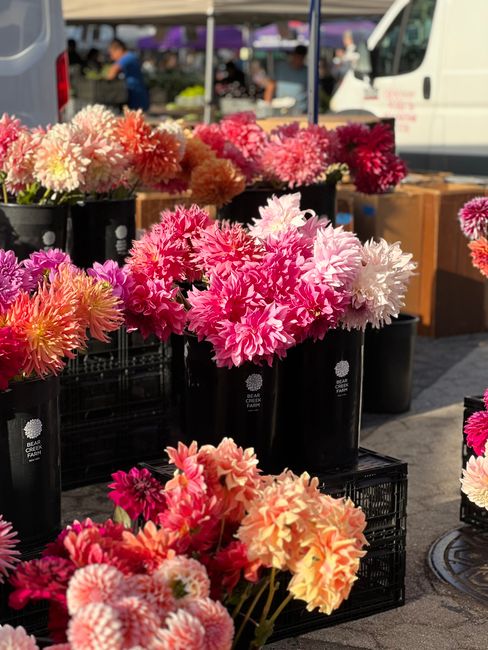
A market flower stall looks simple from the outside. A table, a canopy, some buckets, and a good eye for colour. But in practice, it sits at the intersection of trading rules, public space management, health and safety, and market administration. That is why the rules matter. They help keep the market fair for everyone, protect shoppers and workers, and reduce the chance of disputes over pitch use, obstruction, waste, or nuisance.
If you ignore the local framework, the result can be frustratingly ordinary rather than dramatic. You might be refused a pitch, asked to move your stall, or told to put things right before you can continue. Worse, if you have already bought stock and organised staff, that sort of delay can eat into a week's takings very quickly. Let's face it, flowers do not wait around politely.
There is also a reputation issue. Customers notice when a stall is neat, easy to access and well-run. They also notice when someone is blocking footfall, leaving water on the pavement, or creating a mess after closing. Good compliance is not just about avoiding trouble. It is part of looking like a serious trader.
Expert summary: The safest approach is to treat council rules as part of your stall design, not an afterthought. Build the pitch around the requirements, then work out the flowers, display and sales process around that.
For traders who want to build a wider presence in Merton, it can also help to understand the broader service picture. A local business that already sells from a shop or delivers nearby, such as a florist in Merton SW19, usually has a better feel for customer patterns, seasonal demand and the practical side of serving the area. That local knowledge can be useful when deciding whether a market stall is a good fit.
How Merton Council rules for market flower stalls works
At a practical level, the process usually starts with permission. Depending on the market site, that may mean applying to the market operator, checking whether the pitch is available, and making sure your business details, insurance and stall layout meet the site's requirements. The council's role may be direct, or it may work through a market manager or operator. Either way, the important thing is not to assume. Confirm the arrangement for that exact location.
For flower stalls, the rules often focus on a few recurring points:
- where the stall can be placed
- what size the stall may be
- how much room must be left for shoppers, other traders and emergency access
- how waste, packaging and water are managed
- what insurance and documentation you need
- how trading hours, loading and unloading work
In some places, there may also be requirements linked to food safety if you are selling plants in pots that include soil, compost or care products, or if your operation overlaps with general market trader requirements. The details can vary by site, so the smartest habit is to ask for the current trading conditions in writing. A quick phone conversation is not enough if a dispute comes up later.
Flowers themselves create a few practical issues that other stalls do not. Water buckets can spill. Cardboard and wrapping need space. Large bouquets can obscure sightlines if the pitch is cramped. On a windy morning, a light display stand can shift more than you expect. These are small things, but they matter in a busy market environment.
If you already sell flowers online or through delivery, that can support your market trade in a lovely way. A stall can act as a live showroom, while your existing shop or delivery service handles repeat buyers and special occasions. If that sounds like your model, it may be worth exploring how your pitch fits alongside local collection or order fulfilment services such as flower delivery in Merton SW19 and same day flower delivery in Merton SW19.
Key benefits and practical advantages
When you get the rules right, the benefits are immediate. You are less likely to face interruptions, you can set up with more certainty, and your stall tends to look more professional. That professionalism matters, especially in flowers where presentation does a lot of the selling before you say a word.
Some of the biggest practical advantages include:
- Clearer trading confidence: you know what is allowed, so you can plan stock and staffing properly.
- Reduced risk of fines or warnings: compliance helps you avoid avoidable friction.
- Better customer flow: a well-positioned stall is easier to browse and buy from.
- More efficient setup: when layout rules are known, loading and display become faster.
- Stronger brand image: tidy compliance signals a dependable business.
There is another advantage that people sometimes miss. Clear rules can actually help creativity. Once you know the pitch boundary, display height, storage expectations and access constraints, you can design a more attractive stall without second-guessing every detail. That is a real benefit, especially if you are trying to stand out among general market traders.
And to be fair, if your flowers are tied to events like birthdays, weddings or sympathy orders, a market stall can act as a steady local touchpoint. Customers like knowing where to find you. They may start with a bunch of seasonal blooms and come back later for a bigger occasion arrangement. A good stall can become part of their routine.
For traders with event-led stock, it can also be useful to think beyond the day's sale. Items such as wedding flowers in Merton, funeral flowers in Merton and birthday flowers in Merton show how a flower business often needs flexible presentation, clear ordering processes and reliable local service.
Who This Is For and When It Makes Sense
This guide is for anyone thinking about selling flowers from a market pitch in Merton or working alongside a market stall as part of a wider flower business. That includes independent florists, growers, event florists, retail flower shops, and people testing a new venture. If you are still in the early "should we do this?" stage, the rules are still relevant. In fact, they may save you from investing in the wrong setup.
It makes sense for you if:
- you want to trade in a local market or street market setting
- you need a low-barrier way to test demand for fresh flowers
- you already run a nearby shop and want a second sales channel
- you are building brand awareness in the area
- you sell seasonal, event-based or impulse-buy floral products
It may be less suitable if you are not ready to manage stock rotation, morning setup, weather exposure and the physical demands of a stall. A flower market pitch is not just a sales point. It is a small outdoor operation. That means lifting, carrying, timing, and a fair amount of tidying. Not glamorous, but very real.
If your main strength is delivery rather than display, you might use the market mainly as a visibility tool rather than your core channel. In that case, a site like flower shops in Merton SW19 may better support your customer journey, because shoppers often compare stall convenience with the reassurance of a proper shop presence.
Step-by-Step Guidance
Here is a sensible way to approach the process without getting overwhelmed.
1. Confirm the exact market location
Do not start with a generic assumption about "Merton markets". Each market or trading area may have different conditions. Confirm the actual site, the operator, the pitch type, and whether the council or a separate manager controls trader approval. Small detail, big consequence.
2. Ask for the current trader requirements
Request the written trading conditions. Look for information on pitch size, access, setup times, waste disposal, and insurance. If a rule is not clear, ask for it to be clarified in writing. You want a record you can rely on, not a vague memory from a busy phone call.
3. Check your legal and business basics
Make sure your business is properly set up for trading. That usually means having the right registration, payment method, and business records. You may also need public liability insurance, and if you employ staff, proper employment compliance matters too. If you are not sure, speak to a qualified professional rather than guessing. Guessing is expensive.
4. Design the stall around the rules
Once you know the pitch constraints, build the stall layout around them. Think about bucket placement, customer movement, visibility, and the route for restocking. Keep heavier items lower down, and leave enough space for someone to step back without bumping into your display. A cramped flower stall looks pretty for about thirty seconds, then it becomes a hassle.
5. Plan for weather, water and waste
Flowers need water, and markets do not always love water. Use containers that are stable and easy to move. Protect the ground from spills where necessary. Bring waste bags, cardboard flatteners, and a tidy way to keep trimmings under control. On a damp London morning, that little bit of preparation makes a huge difference.
6. Test your stock mix
Start with a manageable mix rather than overfilling the stall. Seasonal bunches, popular stems, and a few premium items usually work better than too many choices. If you know your local customers, you can tailor the range by day and weather. Sun out? People often respond differently. A grey, drizzly morning? Smaller impulse buys may move faster.
7. Review and improve after the first few trading days
Look at what sold, what did not, and what caused friction. Did customers ask for more wrapped bouquets? Was the stall too narrow? Did water handling create mess? Adjust early. That is how a decent stall becomes a strong one.
Expert Tips for Better Results
In our experience, the best flower stalls are the ones that look easy even though they are not. A calm, organised pitch gives buyers confidence. Behind the scenes, that usually means a lot of invisible prep.
- Keep a "fast grab" section: place affordable ready-to-buy bunches where customers can see them immediately.
- Use clear price points: market shoppers often decide quickly, so visible pricing helps.
- Separate premium stock from everyday stock: it stops your stall looking cluttered.
- Bring spare cloths and a small mop: water happens. Always.
- Pre-sort your buckets: grouping stems by type saves time during busy periods.
- Think in threes: three colours, three price bands, three priority products can be easier for customers to absorb.
It also helps to make your stall feel local. That does not mean gimmicky signage or trying too hard. It means understanding what the neighbourhood buys, which events are big for the area, and how people shop on different days of the week. A Saturday crowd may behave differently from a midweek lunchtime rush. Human beings, awkwardly enough, are not all the same.
If your market pitch supports event orders, keep a few clear visual examples of your broader range. Customers often respond well when they can imagine the same florist handling a birthday hand-tied bunch, a thank-you bouquet, or a simple sympathy arrangement. A small cross-section of products from all flowers, best sellers and flower care can help you show range without overwhelming the display.
Common Mistakes to Avoid
Most avoidable problems with market stalls are very ordinary. That is the annoying part. They are not dramatic rule breaches; they are small slips that grow into bigger issues.
- Assuming all market sites use the same rules: they do not.
- Turning up without written permission or confirmation: risky and unnecessary.
- Overloading the pitch: too much stock makes the stall harder to manage.
- Ignoring weather conditions: wind, rain and heat all change how flowers behave.
- Leaving water, stems or packaging in the customer walkway: a classic way to upset the market flow.
- Not preparing for waste removal: this is one of the quickest ways to look unprofessional.
- Forgetting how early set-up really is: market mornings start before most people have had proper coffee.
One other mistake is treating compliance as a one-time task. Rules, site conditions and operational expectations can change. If you are a regular trader, check for updates now and then. It sounds boring, but boring is good when it keeps you trading.
Another small but common issue is failing to think about customer queuing. If your best-selling bouquets are displayed in a narrow aisle, you may create bottlenecks. Then customers leave. Then you wonder why the lovely display did not perform. The display was lovely. The layout was not.
Tools, Resources and Recommendations
You do not need a huge kit to run a flower stall well, but you do need the right basics. A small, practical toolkit saves time and keeps the stall looking controlled.
| Item | Why it helps | What to look for |
|---|---|---|
| Stable buckets | Protects stems and reduces spills | Easy to lift, not top-heavy |
| Pricing signs | Makes decisions quicker for customers | Clear, weather-resistant, easy to read |
| Reusable cloths | Handles water and quick clean-ups | Absorbent and easy to wash |
| Waste bags | Keeps packaging under control | Strong enough for wet stems and cardboard |
| Transport crates | Protects flowers during loading | Stackable, secure and lightweight |
| Small weights or stabilisers | Helps in windy conditions | Suitable for your stall type and pitch rules |
Useful preparation also includes maintaining a clean digital trail. Save copies of your pitch approval, insurance details, payment receipts and any written site instructions. If there is ever a misunderstanding, being able to show what was agreed helps more than a vague verbal recollection.
If your business model depends on different types of buyers, it can be helpful to organise your products around simple use cases. For example: quick gift flowers, sympathy flowers, weddings, and budget-friendly bunches. Pages like cheap flowers in Merton SW19 and best flower delivery in Merton SW19 reflect the kind of value and convenience people often expect locally. Even if you are selling in person, that mindset matters.
Law, Compliance, Standards, or Best Practice
This is the section people often skim, then regret later. The exact Merton Council rules for market flower stalls can depend on the market site, the permissions in place, and the wider legal setup for street trading or market trading. You should always confirm the specific conditions for the location you want to use.
In practical terms, good compliance usually includes the following:
- Permission to trade: do not assume a stall can be occupied without approval.
- Public liability insurance: commonly expected in trading environments, especially where customers move through a shared space.
- Safe setup: no trip hazards, secure displays and stable equipment.
- Waste management: keep the pitch clean during and after trading.
- Access awareness: do not block pedestrian routes, entrances or emergency access.
- Honest trading practices: clear prices, accurate descriptions and fair dealing.
Depending on how you operate, there may be additional obligations around employment, trading records, handling payments, and product presentation. If you sell plants in containers, you may also need to consider labelling and care instructions as a matter of good practice, even where it is not strictly demanded. Buyers appreciate clarity. It reduces awkward questions later.
Best practice in market trading is often about showing that you understand the shared nature of the space. A good trader respects neighbours, keeps to their pitch, and avoids creating clutter. That simple attitude does a lot of work. Honestly, it is half the battle.
Options, Methods, or Comparison Table
If you are deciding how to trade flowers in Merton, the stall approach is only one option. Here is a simple comparison of common ways people do it.
| Method | Best for | Main strengths | Trade-offs |
|---|---|---|---|
| Market flower stall | Visibility, impulse buying, local footfall | Direct customer contact, live display, local brand building | Weather exposure, setup effort, pitch rules |
| Shopfront florist | Broader product range and walk-in customers | Stable base, room for stock and prep | Higher overheads, fixed location |
| Delivery-led business | Convenience and occasion-based orders | Flexible ordering, wider reach | Less spontaneous browsing, delivery coordination needed |
| Hybrid model | Businesses wanting variety and resilience | Multiple sales channels, stronger local presence | More admin, more moving parts |
The hybrid model is often the sweet spot for established florists. A market stall creates visibility, while delivery and shop sales help smooth out quieter days. If you are already serving customers through local deliveries, the stall can give your brand a face. A real one. One customers can see, smell and remember on a Saturday morning.
Case Study or Real-World Example
Consider a small florist preparing to trial a Saturday flower stall in Merton. They already handle local orders and have a modest range of everyday bouquets. At first, they think the market pitch will be easy: bring flowers, set up, sell. Simple, right?
Then the real questions arrive. Where can the buckets sit so customers can still pass? How much water can be used without creating a slip risk? What happens to cardboard at the end of the day? How early can they load in? Do they need extra cover for windy weather?
Instead of guessing, they request the trading conditions, measure the stall space, and choose a smaller display range for the first few weeks. They focus on three product groups: affordable hand-tieds, a mid-price bouquet line, and one premium seasonal arrangement. The stall looks clear, not crowded. They keep a towel under each water bucket and store packaging out of sight. Small moves, big difference.
By the end of the first month, they notice a pattern. Customers buying flowers in person often ask for next-day delivery the same week. That gives the florist a practical way to connect the stall with their wider business, including local delivery services such as next day flower delivery in Merton SW19 and send flowers in Merton SW19. The stall is no longer just a sales point. It becomes a local discovery channel.
That kind of setup is not magical. It is just sensible planning and decent execution. Still, it works.
Practical Checklist
Use this checklist before your first trading day. It is not fancy, but it is useful.
- Confirm the exact market site and who controls pitch permission
- Get the current trading conditions in writing
- Check insurance and business registration requirements
- Measure your stall space before loading stock
- Plan for water, spills and cleaning
- Prepare waste bags and packaging removal
- Keep prices clear and easy to read
- Make sure the display does not block walkways
- Bring weather protection if the pitch is exposed
- Separate premium, everyday and impulse-buy flowers
- Have a simple restock plan for busy periods
- Save copies of all approvals and documents
- Review what sold after the first trading day
If you can tick off most of that list, you are already ahead of many first-time stallholders. Not perfect. Just prepared. And that counts.
Conclusion
The Merton Council rules for market flower stalls are really about making trading safer, fairer and more workable for everyone involved. Once you understand the pitch requirements, the site layout, the permission process and the day-to-day expectations, the whole thing becomes much less intimidating. You can focus on the good part: presenting fresh flowers beautifully and serving customers well.
The strongest stalls usually combine a clear display, careful prep and a respectful approach to the market environment. That combination keeps things simple for you and welcoming for your customers. If you are aiming to build a local floral presence in Merton, the rules are not the obstacle. They are the framework that helps the business hold together.
Get a free quote today and see how much you can save.
And if you take one thing from this guide, let it be this: good compliance makes room for creativity. That is the sweet spot.

Frequently Asked Questions
Do I need permission to run a flower stall in Merton?
Yes, in practice you should always confirm permission before trading. The exact process depends on the market site and who manages it, so do not assume a pitch is available just because space looks open.
Are the rules the same for every market in Merton?
No. Different sites can have different trading conditions, layout rules and approval steps. Always check the specific market rather than relying on general assumptions.
What documents are usually needed for a market flower stall?
Commonly expected documents include business details, insurance information and confirmation of pitch permission. Some sites may ask for additional records or operating details, so it is best to request the current requirements in writing.
Can I sell flowers from a market stall without a shop?
Yes, many traders use a stall as their main sales channel. Others combine it with a shop or delivery service. The right model depends on your stock, staffing and how much setup work you can comfortably manage.
What are the biggest compliance risks for flower stalls?
The main risks are poor pitch placement, trip hazards, water spills, blocked access, and trading without the correct approval. These are the issues that tend to cause trouble first.
Do I need public liability insurance?
It is commonly expected in trading environments and is strongly worth having. Because market spaces involve members of the public, insurance is a sensible safeguard even where the local site rules are not fully clear.
How can I make a flower stall look more professional?
Keep the display simple, use clear prices, manage water neatly and leave enough room for customers to browse. A tidy stall with a calm layout almost always performs better than an overcrowded one.
What flowers sell best at a market stall?
That depends on season, price point and local buying habits. In many cases, ready-to-buy bouquets, affordable seasonal stems and a small selection of premium items work well because they suit quick decision-making.
Can I combine market trading with delivery orders?
Absolutely. In fact, many florists use the stall to attract new customers and then serve repeat orders through delivery. It can be a strong mix if you manage stock and timings carefully.
What should I do if I am not sure about a rule?
Ask for the rule in writing before you trade. If anything seems unclear, get clarification from the market operator or the relevant local contact. That is much safer than improvising on the day.
Is a flower market stall suitable in bad weather?
It can be, but only if your setup is ready for it. Wind, rain and heat all affect flowers, display stability and customer comfort, so weather planning is part of the job, not an optional extra.
Where does a flower stall fit within a wider Merton flower business?
Usually as a visibility and sales channel. It can support shop trade, delivery work and event bookings by putting your flowers in front of local customers in a more immediate, memorable way.