Do I need a license to sell flowers on Merton streets?
Posted on 03/10/2026
If you are thinking about selling bouquets, single stems, or seasonal arrangements on a street in Merton, the first question is the right one: do I need a license to sell flowers on Merton streets? In most real-world cases, the answer depends on exactly where you plan to trade, how you plan to trade, and whether your pitch sits on public land, private land, or outside a shop. That sounds simple enough. In practice, it can be a bit fiddly.
Street selling in London is not one of those things you can just wing on a Saturday morning with a bucket of roses and hope for the best. Merton streets can involve local rules, street trading controls, landowner permissions, and the usual common-sense issues like display space, waste, pedestrian flow, and food-safety-style cleanliness for fresh stock. This guide walks you through the practical side so you can make a sensible decision before spending money on stock or a stall.
We will keep it plain-English and local. You will find out when a licence may be needed, when other permission might be enough, what risks to avoid, and how to set yourself up properly. If you are planning to sell flowers regularly, even informally, it is worth getting this right from day one.
- Why licensing matters on Merton streets
- How street selling permissions usually work
- Benefits of trading properly from the start
- Who needs this, and who may not
- Step-by-step guidance
- Expert tips for smoother trading
- Common mistakes to avoid
- Tools, resources and recommendations
- Law, compliance, and best practice
- Options and comparison table
- Case study or real-world example
- Practical checklist
- Conclusion
- Frequently asked questions
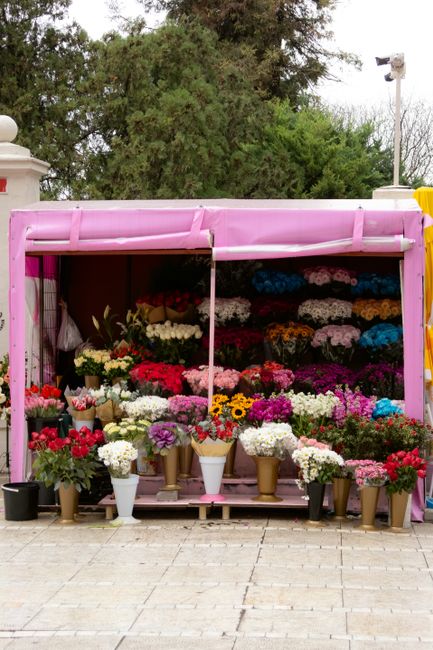
Why Do I need a license to sell flowers on Merton streets? Matters
Street flower selling is not just a business question. It is a permissions question, a location question, and a "how visible am I to enforcement?" question. The reason it matters is simple: if you sell flowers in the wrong place without the right permission, you can create avoidable problems for yourself very quickly. Fines, wasted stock, a forced pack-up, and awkward conversations are no one's idea of a good start.
Merton has a mix of shopping parades, residential roads, transport routes, and busier public areas. Some spots may look harmless at first glance, but the legal status of the land can be different from what it looks like on foot. A pavement outside a parade of shops may seem like fair game; it may not be. A patch near a station or retail frontage may have separate controls. Truth be told, this is where many small traders get caught out.
Licensing also matters because flowers are perishable. If your pitch is delayed, moved on, or challenged after you have already bought stock, you lose twice: once on time and again on the product. And flowers are not like a spare box of light bulbs. A few hours in the wrong weather can make a lovely display look tired. Nobody wants that on the first day.
There is also a trust angle. Customers tend to feel more comfortable buying from a seller who appears legitimate, organised, and properly set up. A neat display, clear pricing, and the sense that you have done things properly can make a surprising difference. It is a small detail, but it helps.
Practical takeaway: If your plan involves regular trading on a public street in Merton, assume you may need permission of some kind until you have confirmed the exact position. That is the safer way to start.
How Do I need a license to sell flowers on Merton streets? Works
Let's break it down in a way that actually helps. The short version is that street trading permission usually depends on where you trade, what type of trading you are doing, and whether the location is controlled. A flower seller standing on a public pavement is very different from a florist placing a small display outside a shop on private forecourt space.
In many local authority areas, "street trading" means selling items on or in a street, often from a stall, table, pitch, van, or temporary display. If you are set up on a public street in Merton, there may be a requirement for a street trading licence or consent. If you are on private land, you may need the landowner's permission instead, but that does not automatically remove all other duties. The exact rules depend on the site.
Here is the part people sometimes miss: permission can be about more than just the act of selling. It may also relate to the structure you use, how long you stay in one place, the width you leave for pedestrians, and whether the pitch affects traffic, safety, or access. A simple flower stand can still trigger questions if it blocks a walkway or sits too close to a crossing.
If you are selling from a business premises, that is a different scenario again. A florist operating from a shop on Merton streets often does not need a separate street trading permission to sell inside the premises, but may need something additional if the business starts using the pavement or forecourt as a sales area. In other words, the shop counter is one thing; the pavement edge is another.
Sometimes people ask whether a casual, one-off setup counts. That depends. A one-day charity stall, market pitch, or event florist setup can be treated differently from regular trading. Not every short-term arrangement is identical, and that is where you need to be careful instead of guessing. Let's face it, councils and landowners are usually much less relaxed about assumptions than traders are.
Key Benefits and Practical Advantages
Getting the right permission before you sell flowers on Merton streets is not just about avoiding trouble. There are some very real business advantages too.
- Less risk of disruption: you are less likely to be moved on after setting up and unpacking stock.
- Better customer confidence: a lawful, tidy pitch feels more trustworthy.
- More predictable trading: you can plan stock levels, delivery timing, and peak periods more sensibly.
- Cleaner business records: permission, receipts, and location details are easier to manage when you start properly.
- Improved relationships: landowners, neighbouring businesses, and residents are more likely to cooperate when you are not creating friction.
There is another quiet benefit: once you understand the rules, you can focus on selling better flowers instead of worrying about whether you are standing in the wrong spot. That alone is worth something. If you have ever tried arranging buckets, signage, change float, and ribbon with one eye on passers-by, you will know the feeling.
For many sellers, the biggest practical advantage is certainty. A clear set-up lets you choose stock more confidently, whether you are selling budget bunches, premium bouquets, or seasonal arrangements. That kind of certainty makes the whole thing calmer, and calmer is usually better for business.
Who This Is For and When It Makes Sense
This topic matters to a few different people, and the answer is not exactly the same for each one.
1. Independent flower sellers
If you want to sell flowers directly to the public from a pitch, stall, van, basket, or table, you are the first group to think about. This is the classic "I want to sell roses and bouquets on the street" scenario. If the pitch is on public land, permission is very often the main issue.
2. Florists testing a new sales point
Maybe you already run a shop and want to try a small stand outside during Valentine's Day, Mother's Day, or wedding season. Sensible idea, but do not assume your shop lease or existing business setup automatically covers pavement trading. It often doesn't.
3. Event sellers and pop-up traders
If you are trading at a local fair, market, festival, or community event in Merton, the organiser's permission may be part of the picture, but not always the whole picture. Event rules can sit alongside local trading rules, and the location still matters.
4. People selling occasionally
Some people think occasional selling is a grey area that needs no thought. Maybe. Sometimes. But if you are repeatedly using the same street location, the authorities or landowner may treat it as regular trading. That is where problems begin.
When does it make sense to get formal permission? In practice, almost always when you expect to trade more than once, want to hold a fixed pitch, or plan to sell where members of the public pass regularly. If it is a one-off private arrangement on private land, the picture may be simpler. Still, check first. A five-minute phone call can save a week of hassle.
Step-by-Step Guidance
If you are trying to work out the right route, use this as a practical sequence. Not glamorous, but effective.
- Identify the exact selling spot. Write down the street name, nearest landmark, and whether you are on pavement, forecourt, shop frontage, market space, or private land.
- Decide how you will sell. Will it be a stall, table, cart, van, bucket display, or display outside a shop? The setup matters.
- Check who controls the land. Public highway space, private frontage, and event space are not the same thing.
- Ask about trading permission. If the location is public, ask whether a street trading licence, permit, or consent is needed.
- Check other permissions. You may also need landowner approval, event approval, or leaseholder consent.
- Think about practical conditions. Opening hours, size of the pitch, waste disposal, display rules, and access for pedestrians can all matter.
- Plan your stock carefully. Flowers are perishable, so make sure your trading volume matches likely demand.
- Keep records. Save permission emails, dates, conditions, and any reference numbers.
A very common mistake is to start with the flowers and leave the paperwork until later. That usually goes the wrong way round. Better to sort the permission first, then buy the stock. A bit less exciting, perhaps, but much safer.
Expert Tips for Better Results
From a practical trading point of view, the best flower sellers are rarely the ones with the fanciest signage. They are the ones who keep things tidy, consistent, and easy for customers to understand. Here are a few things that help.
- Choose a pitch with natural footfall, not just visibility. A visible corner is useless if people cannot stop safely.
- Keep displays simple. Fresh flowers do the work. Overcrowding a small pitch can make the arrangement look messy fast.
- Use weather-smart stock. Some flowers cope better in cool, damp London weather than others.
- Prepare for early trading. Morning footfall can be good near commuter routes, and the air often feels sharper and cleaner before the day gets busy.
- Price clearly. A small chalkboard or printed sign helps a lot. People do not like guessing. Fair enough.
If you are building a flower-selling business, think beyond the first pitch. A strong local base often grows into repeat orders, special occasions, and online requests. For nearby customers who want simple ordering and doorstep convenience, you may also want to understand local delivery demand through flower delivery in Merton SW19 and same-day flower delivery in Merton SW19. Those services are a useful reminder of what customers expect: speed, freshness, and clarity.
Another sensible move is to keep an eye on product range. Selling a small, reliable set of bouquets often works better than trying to carry everything. A focused range can include classic roses, mixed seasonal bunches, or occasion-led lines such as birthday flowers and roses. Less clutter. Better buying decisions. Less stress.

Common Mistakes to Avoid
Street selling sounds straightforward until the small details trip you up. These are the mistakes people make most often.
- Assuming a pavement is free to use. Public space is usually not "first come, first served".
- Ignoring the difference between public and private land. It matters more than most people think.
- Starting before permission is sorted. This can lead to wasted flowers and a stressful first day.
- Blocking access. Even a narrow display can create an issue if it reduces safe walking space.
- Using stock that is too fragile for outdoor trading. Heat, cold, and wind all take their toll.
- Forgetting waste and water management. Customers and neighbours notice spills, torn wrapping, and dropped petals.
- Mixing up event permission with trading permission. One does not always replace the other.
A small but important one: do not assume that because nobody stopped you the first time, the setup is approved. A quiet morning does not equal a legal green light. Sorry, but that is how plenty of traders get caught out.
Tools, Resources and Recommendations
You do not need a huge toolkit to sell flowers well, but you do need a decent system. Practical trading is mostly about being organised.
Useful things to have
- A simple pitch checklist so you do not forget signage, change, bags, scissors, or buckets.
- Weather protection such as covers, weights, or a sheltered display plan.
- Clear pricing labels to reduce awkward questions and speed up sales.
- Stock rotation notes so older flowers are sold first.
- Records folder for permissions, messages, and contact details.
For readers who are comparing product presentation ideas, it can also help to browse the local product style on pages such as flower shops in Merton SW19 and florist Merton SW19. Even if you are not running a shop, the way a good florist presents colour, balance, and freshness can sharpen your own display.
When it comes to business support, keep your eye on the practical essentials: payment methods, refund terms, delivery arrangements if you expand later, and customer communication. A well-run flower pitch often becomes a wider micro-business over time. That is usually how these things grow, bit by bit.
Law, Compliance, Standards, or Best Practice
Because the topic involves trading in public spaces, compliance matters. The safest general approach is to treat public street selling as regulated until you know otherwise. That means checking the rules for the exact location rather than relying on broad assumptions.
In practice, the key compliance areas often include:
- Street trading permissions or local authorisation if selling on public land.
- Landowner consent for private forecourts, shop fronts, or other privately controlled areas.
- Pedestrian safety so the display does not obstruct access or create a trip hazard.
- Clean and orderly operation including waste control and safe handling of water.
- Fair consumer information such as visible pricing and honest product descriptions.
Best practice is not complicated, honestly. Keep the pitch neat, avoid blocking people, make sure your flowers are fresh, and know exactly who gave you permission. If you are not sure whether the selling area counts as public or private, ask before you trade. That one question can prevent a lot of backtracking later.
For businesses selling flowers more broadly, your trading setup should also line up with normal customer expectations around payment, delivery, and service standards. For example, if you later move from a street pitch into local delivery, pages such as delivery information, payment options, and guarantees are the sort of operational detail that builds confidence. That same mindset helps on the street too: be clear, consistent, and easy to trust.
Options, Methods, or Comparison Table
Here is a simple comparison of the most common ways people sell flowers in Merton. This is not legal advice, and the exact permission needed will always depend on the site, but it is a helpful way to think about the decision.
| Trading method | Likely permission issue | Practical upside | Main caution |
|---|---|---|---|
| Public street stall | Often needs street trading permission or similar authorisation | Good visibility and walk-by sales | Highest risk of compliance problems if unapproved |
| Outside a shop on private frontage | Usually needs landowner or leaseholder consent; may still need extra permission | Supports an existing florist business | Space, access, and frontage rules can still apply |
| Market or event pitch | Event organiser approval plus any local requirements | Built-in footfall and seasonal demand | Short trading windows mean you need tight planning |
| Shop-based flower sales | Usually simpler, unless using the pavement externally | More predictable and easier to manage | Outdoor spillover can trigger extra rules |
If you want the lowest-friction path, a shop-based setup or formally approved pitch is usually easiest. If you want the most flexibility, you may still be able to work outdoors, but only if the permission side is sorted. Simple, but not always easy.
Case Study or Real-World Example
Picture a small seller in Merton who wants to try weekend flower sales near a busy high street. They buy mixed bouquets, print a few signs, and plan to set up beside a row of shops on Saturday morning. On the surface, it feels like a sensible little test. There is foot traffic, the flowers are fresh, and the display is attractive.
Then the awkward bit appears. The space turns out to be part of a controlled frontage, not free public trading space. The seller is asked to move, and the flowers have already been unpacked. A few bunches are bruised from handling, the buckets are in the way, and the morning is half gone. Nobody is delighted.
Now imagine the same seller checks first. They confirm the land control, ask about permission, and adjust the pitch slightly so pedestrians still have plenty of room. They arrive with the right display, the right size setup, and clear pricing. Customers stop, browse, and buy. The day feels calmer. Not perfect, maybe, but solid. And calm is underrated.
The difference is not magic. It is prep. In street trading, the permission question often decides whether a good idea becomes a smooth little income stream or a short-lived headache.
Practical Checklist
Use this checklist before you sell flowers on Merton streets. It is simple on purpose.
- Have I identified the exact spot I want to trade from?
- Do I know whether the area is public or private land?
- Have I checked whether a street trading licence, consent, or permit is needed?
- Do I have landowner or leaseholder approval if the pitch is private frontage?
- Have I thought about pedestrian access and safety?
- Is my display tidy, stable, and suitable for the weather?
- Do I have clear prices and enough change or card payment options?
- Can I manage waste, water, and packaging neatly?
- Do I know what flowers I am selling and how long they will stay fresh?
- Have I saved any written permission, messages, or reference details?
If you can tick most of those off, you are already in a much better position than many first-time traders. It does not need to be fancy. Just thought through.
Conclusion
So, do you need a licence to sell flowers on Merton streets? In many cases, yes, some form of permission or licence may be needed if you are selling on public street space. If you are on private land, you may need landowner consent instead, but that does not always mean you can skip every other requirement. The key is to check the exact location and setup before you trade.
The safest path is straightforward: confirm where you are selling, understand who controls the space, get permission in writing, and keep your display tidy and safe. Do that, and you give yourself a far better chance of turning a nice idea into a reliable little business. And honestly, that is the part that matters.
If you are planning to trade regularly, or you are still not sure which rules apply to your chosen spot, take the time to sort it now. A little care at the start saves a lot of hassle later, and your flowers deserve a proper chance to shine.
Get a free quote today and see how much you can save.

Frequently Asked Questions
Do I need a license to sell flowers on Merton streets if I only want to sell occasionally?
Possibly, yes. Occasional selling can still count as street trading depending on the exact location and how you are set up. If the pitch is on public land, do not assume that "just this once" makes it exempt.
Can I sell flowers from a pavement outside a shop in Merton?
Sometimes, but not automatically. A pavement display may need permission, especially if it is on public land or affects pedestrian access. If the frontage is private, you may still need the shopholder or landowner's approval.
What if I am selling from a market stall rather than a street pitch?
Market trading is often handled differently from random street selling. You usually need the organiser's permission and must follow the market's rules, but the exact requirements can still vary by site.
Is selling flowers from a van treated the same as selling from a stall?
It can be. A van or mobile setup may still count as street trading if it is used to sell directly on a street or public place. The format changes, but the permission question does not disappear.
Do I need permission if I am outside my own business premises?
Quite often, yes. Owning or running the business does not always give you automatic rights to use the pavement or highway outside. You may need separate permission for external trading.
What is the biggest risk of selling without permission?
The biggest risk is being told to stop or move after you have already set up, which can mean wasted stock and a lost trading opportunity. There can also be enforcement action depending on the circumstances.
How do I know whether a location in Merton is public or private?
You usually need to check the exact site details rather than guess from appearance. A place that looks public may be privately controlled, and the other way round happens too. When in doubt, ask before you trade.
Can I just put out a bucket of flowers and see if anyone buys?
It may feel harmless, but that is still trading if you are selling to the public. A small bucket is not a magic exemption. Nice idea, though. Very optimistic.
Are there extra rules if I sell seasonal flowers like roses or bouquets for special occasions?
The flower type does not usually change the permission question, but it can affect your display, pricing, stock planning, and presentation. Seasonal demand often increases pressure on your setup, so organisation matters more, not less.
Should I get written permission even if someone has already said yes verbally?
Yes, absolutely if you can. Written permission is far better than relying on memory or a casual conversation. A short email or message can save a lot of confusion later.
What should I do before I buy stock for a new pitch?
Confirm the location, the trading permission, the conditions of use, and your likely footfall first. Flowers move quickly, and you do not want to be left with a load of stock and nowhere to sell it.
Can a florist business on Merton streets sell both in person and through delivery?
Yes, that is a common and sensible approach. Many sellers combine a physical pitch or shopfront with local delivery. If you expand in that direction, you will want the operational side to be just as tidy as the display.